
The National Capital Region (NCR) is experiencing one of its strongest phases in commercial real estate in the last decade. Office rents across major corridors — Gurgaon, Noida, and parts of Delhi — are climbing steadily, reflecting a combination of economic revival, infrastructure expansion, fresh corporate demand, and a changing work culture in India’s most dynamic business cluster.
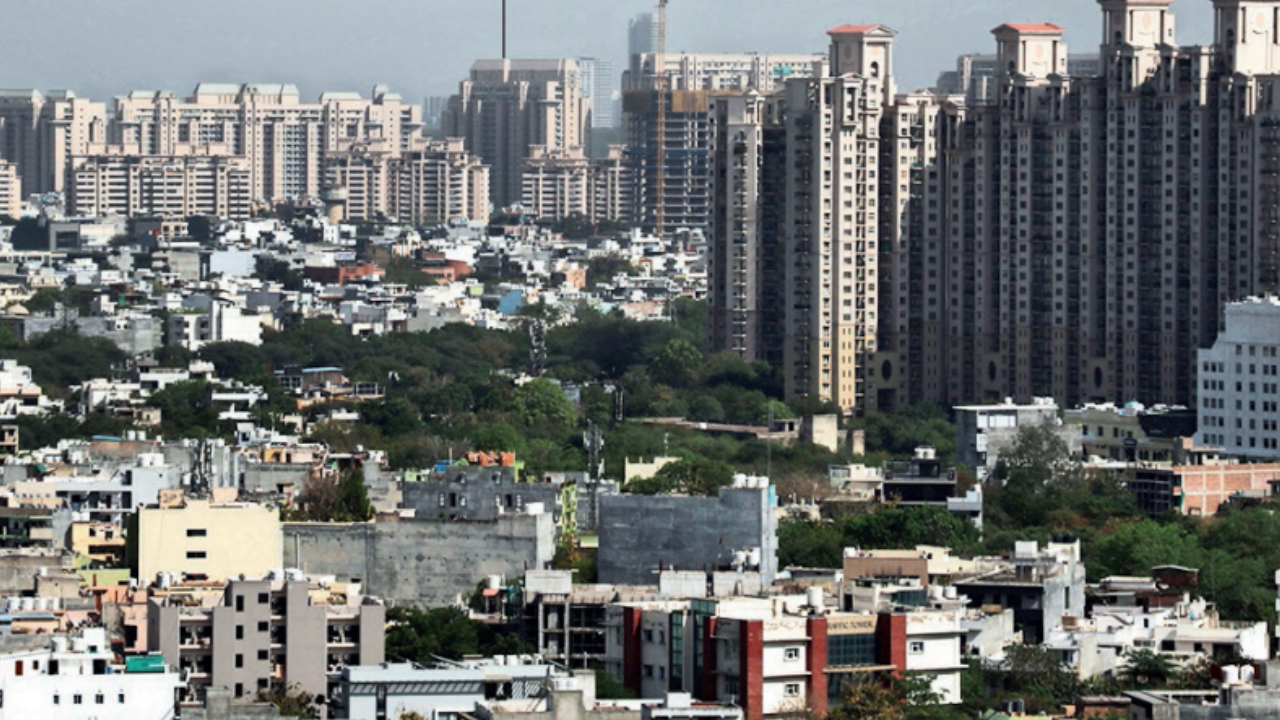
While residential real estate has seen several cycles of ups and downs, NCR’s commercial segment has shown remarkable resilience. Over the past two years, large enterprises, tech companies, GCCs (Global Capability Centres), and start-ups have returned to offline operations or adopted hybrid models, increasing the need for flexible, high-quality office spaces. As a result, landlords are revising rents upwards, and companies are rushing to lock in spaces before they become even more expensive.
Below is a detailed look at what is driving this surge in NCR’s office rental market — and why analysts believe this trend is far from over.
1. Major Infrastructure Upgrades Are Reshaping Business Corridors
One of the strongest forces pushing office rents higher is the massive infrastructure transformation across NCR. New expressways, metro expansions, and international airport projects are directly boosting the economic potential of several regions.
Key developments include:
-
Dwarka Expressway, which has already become a preferred corporate stretch, linking Gurgaon directly to West Delhi and the upcoming international airport.
-
Delhi–Mumbai Expressway, cutting travel time drastically and enhancing the overall business movement through NCR.
-
Gurgaon Metro expansion and the upcoming Delhi Metro Phase IV corridors, improving connectivity for thousands of employees.
-
Noida International Airport (Jewar), touted to be one of the largest in Asia, attracting MNCs, logistics giants, and tech firms to Greater Noida and Yamuna Expressway regions.
-
Rapid Rail Transit System (RRTS) connecting Delhi–Meerut, reducing travel time and making NCR more integrated economically.
These connectivity upgrades make office spaces far more attractive for companies, especially those prioritising employee commute and operational efficiency. As demand clusters shift toward newly connected micro-markets, rents naturally rise.
mallorcasupport.com | weigesy.com | sellersfederation.com
acopyabove.com | clinstech.com
2. Corporate Demand Surges After Hybrid and Work-From-Home Stabilisation
Following the pandemic years, corporate India has entered a consolidation phase. Instead of widespread downsizing, many companies are now:
-
reopening offices,
-
expanding teams,
-
setting up satellite hubs,
-
or adopting hybrid schedules that still require high-quality workspaces.
This is especially true for:
-
IT/ITeS
-
GCCs
-
Consulting firms
-
Fintech and BFSI
-
E-commerce and logistics
-
Start-ups formalising long-term office setups
NCR, particularly Gurgaon’s Cyberhub, Golf Course Road, and Sohna Road, remains one of the most sought-after locations for global companies establishing their India footprint.
As demand surges while high-grade office supply remains limited, rents are naturally being pushed upward.
3. NCR’s Legible Status as India’s Business Powerhouse
Mumbai may be the financial capital, but NCR has gradually become the corporate capital for many sectors. With easier availability of large commercial spaces, better rental value compared to Mumbai, and its proximity to the central government, corporations find NCR highly strategic.
Gurgaon alone hosts:
-
more than 250 Fortune 500 outsourcing partners,
-
thousands of start-ups,
-
and several large GCCs opening nearly every quarter.
Meanwhile, Noida has become the preferred choice for:
-
media companies,
-
IT parks,
-
electronics manufacturing,
-
and newly shifting service-sector hubs.
As the region becomes more central to India’s economic growth story, businesses are willing to pay a premium for well-located offices.
4. Limited Supply of Grade-A Offices Is Increasing Competition
Even though construction has picked up pace, NCR is still witnessing a shortage of premium, ready-to-move, Grade-A office spaces. Developers are trying to keep up, but large companies usually prefer:
-
LEED-certified buildings,
-
modern office layouts,
-
safety-compliant structures,
-
energy-efficient designs, and
-
spaces managed by top MNC facility-management firms.
Since the supply of such offices is limited, especially in prime corridors like Cyber City, Aerocity, and Noida Sector 62, the competition is intense. Landlords are receiving multiple offers for the same floors, giving them the leverage to increase rents.
5. Growth of GCCs (Global Capability Centres) in Delhi-NCR
India has become the world’s largest hub for Global Capability Centres, with over 1,600 GCCs already operational and many more entering the market.
Delhi-NCR is one of the top three preferred destinations for GCCs because of:
-
access to a large skilled workforce,
-
modern commercial spaces,
-
good international connectivity,
-
and the presence of major consulting firms.
As each new GCC requires hundreds of thousands of square feet of office space, the demand pressure pushes rents even higher.
6. Strong Investor Interest in Commercial Real Estate
Commercial real estate continues to be one of the most preferred investment choices for:
-
HNIs,
-
NRIs,
-
private equity funds,
-
and institutional investors.
High occupancy levels and steady rental yields (typically 7–9% in NCR) are attracting more investors. This increases the valuation of office assets, and developers naturally pass this on through higher rents.
Additionally, REITs (Real Estate Investment Trusts) have helped formalise the market and boost interest in the commercial segment.
7. Flexible Workspaces and Co-working Growth
NCR is home to some of India’s largest coworking chains. As startups, freelancers, small businesses, and even MNCs prefer flexible workspaces, demand for high-quality commercial towers goes up.
Co-working operators often lease entire floors or multiple floors, reducing available supply for traditional corporate clients, further increasing rental prices.
8. Aerocity and New Business Hubs Creating High Demand Zones
Aerocity in Delhi has become a thriving commercial and hospitality ecosystem. With premium offices, luxury hotels, and proximity to the airport, it has become a hotspot for multinational companies — naturally driving rents upward.
Similarly, new hubs like:
-
Gurgaon’s Udyog Vihar revival,
-
Noida’s Film City expansion,
-
Greater Noida’s data centre corridor,
-
Dwarka sub-city business district,
are adding to the rising rental curve.
Conclusion: NCR’s Commercial Real Estate Surge Is Here to Stay
The rise in office rents across NCR is the result of a powerful combination:
infrastructure growth, corporate expansion, shortage of high-quality supply, investor confidence, and new economic hotspots transforming the region.
With the ongoing development of airports, expressways, and urban business clusters, experts believe rents will continue to rise over the next 3–5 years.
NCR is no longer just a regional business hub — it is now a major pillar of India’s global corporate presence. And as long as companies flock to this region for talent, infrastructure, and opportunity, the demand for offices — and the price of renting them — will keep trending upward.
